 Facts Rodeo
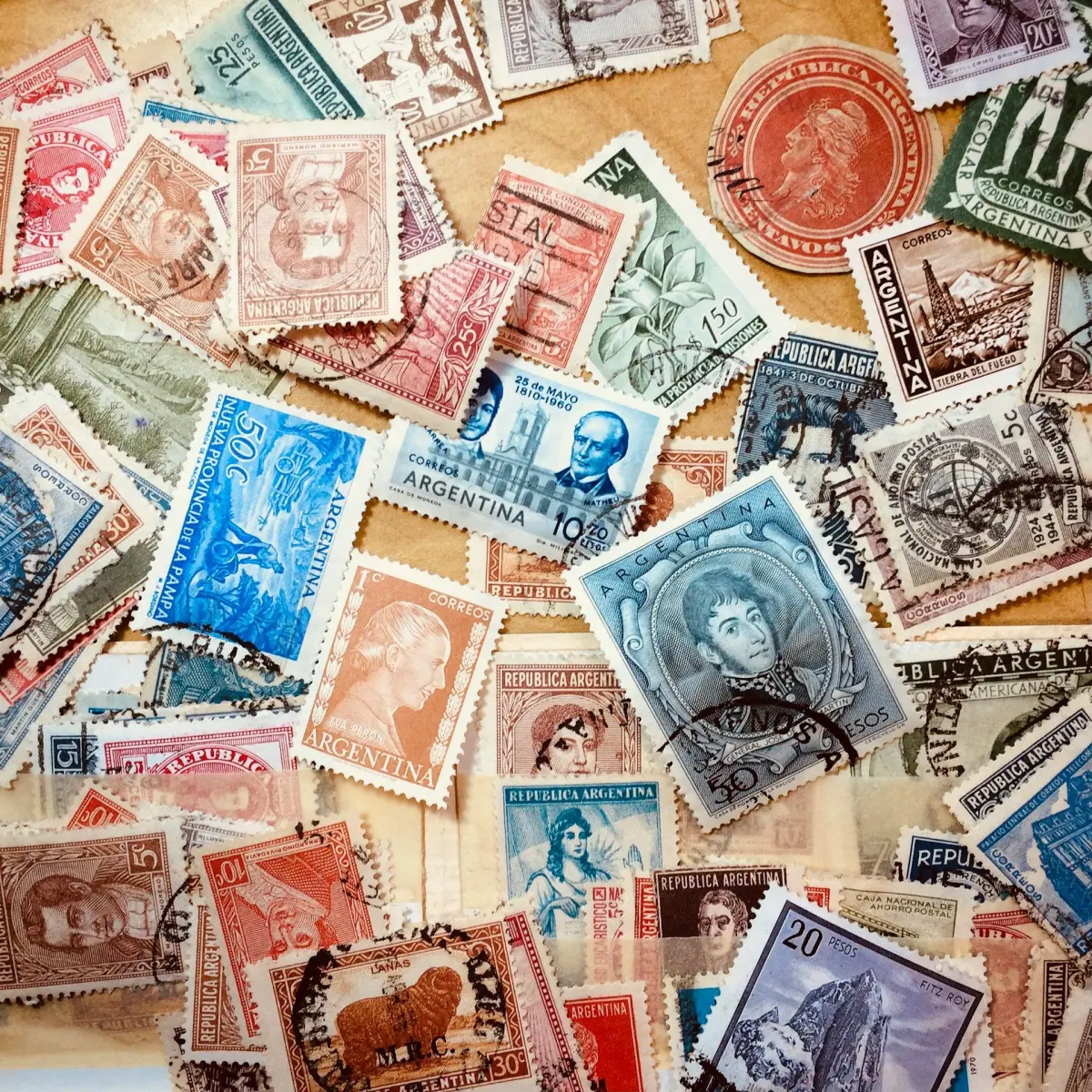


🕵️♂️ The Secret Society of Philately
Beyond the simple hobby of sticking stamps in an album lies a vibrant, secretive world of intense passion and historical intrigue.
- Stamp collecting, or philately, is one of the world's most popular hobbies, with an estimated 60 million enthusiasts globally.
- There are secretive clubs and societies that are invitation-only, where the rarest finds are shown only under strict confidence.
- The hobby has its own language, with terms like "perfin" (perforated initials) and "grill" (a pattern of tiny dots) known only to insiders.
- Some collectors focus so narrowly they might only collect stamps from one year or featuring one specific animal.
- Online forums and marketplaces have created a new, hidden digital layer to this traditional hobby. 🌐
- The rarest stamps are often traded in private sales, unseen by the public, for sums rivaling fine art.
💎 Tiny Canvases, Immense Value
These little pieces of paper can hold stories of fortune, error, and incredible craftsmanship.
- The world's most famous stamp, the British Guiana 1c Magenta, sold at auction for a staggering $9.5 million.
- Printing errors, like an inverted airplane or a missing color, can make a common stamp astronomically valuable.
- Stamps have been printed on materials you'd never expect, including silk, wood, and even pure gold.
- The smallest stamp ever issued was from the Colombian state of Bolivar, measuring just 8 x 9.5 mm (0.31 x 0.37 inches).
- Some stamps contain hidden security features, like micro-printing or invisible ink, to prevent forgery.
- A single "first day cover" (an envelope with a new stamp canceled on its first day of issue) can be worth thousands if it's signed by a notable figure.
🌍 A Passport to Global History
Every stamp is a tiny time capsule, capturing the politics, culture, and heroes of its era.
- Stamps have been used as miniature propaganda tools, celebrating space races, political regimes, and military victories.
- You can trace the rise and fall of nations through stamps, spotting countries that no longer exist, like Czechoslovakia or Zanzibar.
- The first adhesive postage stamp in the world was the Penny Black from Great Britain, issued in 1840.
- During wars, stamps were sometimes overprinted with new values or messages by occupying forces.
- Stamp issues often commemorate obscure but fascinating events, from the invention of the microwave to the birth of a famous poet. ✍️
- Collecting stamps from a specific conflict, like World War II, can provide a unique, fragmented narrative of the period.
🔬 The Science of the Specimen
For the serious collector, it's not just about the picture—it's about the paper, the glue, and the perforations.
- The gum on the back of a stamp (the adhesive) has its own history and composition, affecting value and requiring specific storage conditions.
- Experts use perforation gauges to measure the number of holes per 2 cm (0.79 inches); a tiny difference can mean a huge price gap.
- Watermarks, faint designs pressed into the paper during manufacturing, are used to identify and authenticate stamps.
- The shade of a color can be critical; there are catalogs dedicated solely to differentiating between "carmine" and "deep carmine."
- High-powered loupes and microscopes are essential tools for inspecting printing methods and spotting fakes.
- A stamp's "centering" — how evenly the design is positioned within its perforated borders — is a major factor in its grade and value.
🚀 Stamps in the Space Age & Beyond
Philately has boldly gone where no hobby has gone before, even reaching into the final frontier.
- There is an official post office on the International Space Station, and mail sent from there carries a unique cancellation mark.
- Before email, astronauts on the Skylab mission in the 1970s used a "postage stamp meter" to cancel envelopes, creating highly collectible items.
- Countries that didn't have a space program, like Tonga, issued stamps featuring space themes, sometimes even with real gold foil.
- Some stamps are made from materials designed to survive re-entry, in case of a spacecraft disaster. 🛰️
- The first stamp to be officially franked in space was a US 10-cent stamp on the Apollo 15 mission in 1971.
- Modern "digital stamps" are now being explored, but traditionalists argue they lack the tangible history of their physical counterparts.
🦋 More Than Just Mail
The themes depicted on stamps are as diverse as the collectors who seek them, creating countless niche communities.
- "Thematic" or "Topical" collecting is hugely popular, where people collect stamps based on subjects like cats, dinosaurs, or art.
- Some collectors pursue stamps that tell a story when placed in a specific order, creating a visual narrative on the album page.
- Stamps have been used to raise awareness for environmental causes, featuring endangered species and conservation efforts. 🌳
- The famous "Inverted Jenny" stamp, featuring an upside-down biplane, is a holy grail for aviation-themed collectors.
- There are stamps that are scratch-and-sniff, stamps that play music, and stamps with 3D holograms.
- Collecting stamps from your year of birth is a common and personal way to start a collection.
🔍 The Thrill of the Hunt
For many, the true joy of stamp collecting isn't in owning, but in the endless pursuit of discovery.
- The "Eureka!" moment of finding a rare stamp in a box of common ones is a feeling collectors live for.
- Stamp shows, known as "bourses," are bustling marketplaces where treasures can be found and deals are made with a handshake.
- Inheriting a collection is often the start of a lifelong passion, as the new owner uncovers the history within.
- Condition is everything; finding a mint-condition stamp from the 19th century is the ultimate prize.
- Many collectors enjoy the "detective work" of researching a stamp's provenance and journey through the postal system.
- The hobby teaches patience, history, and geography, all while offering the simple, meditative pleasure of organizing a beautiful collection. ✨