 Facts Rodeo
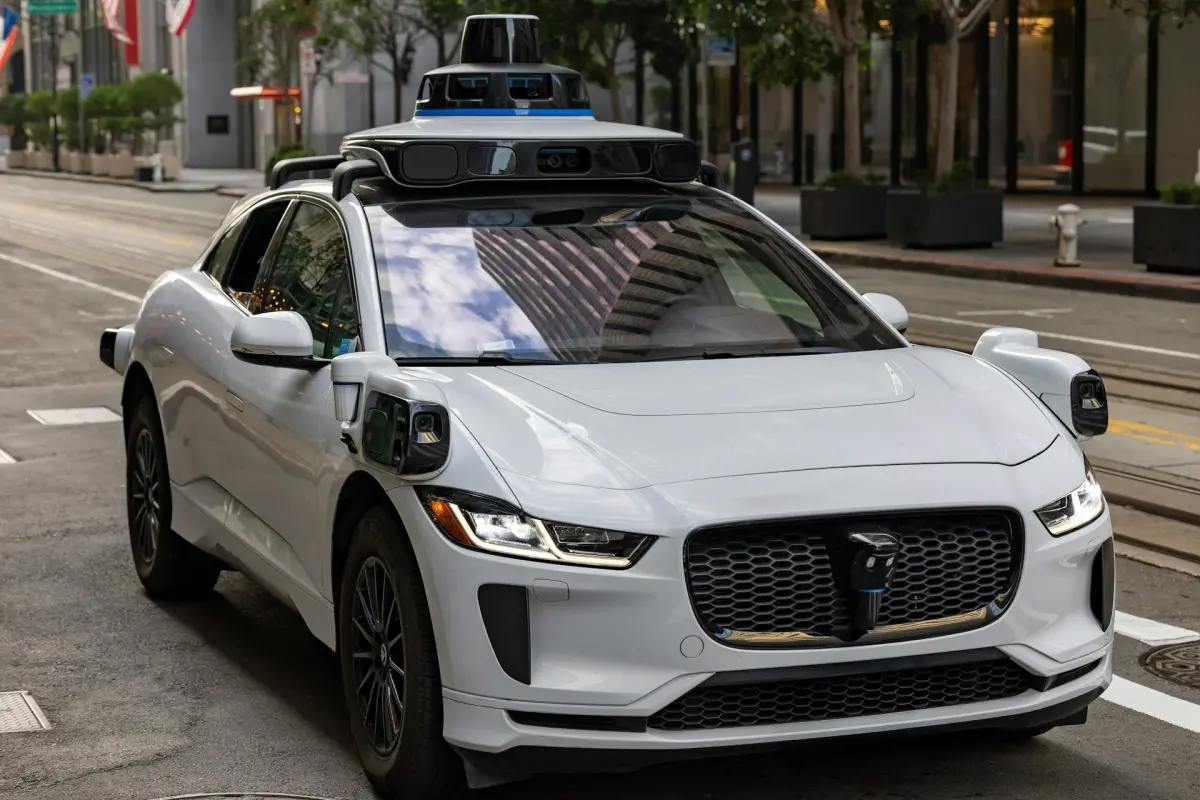
🚗 The Future is Now: Self-Driving Cars Arrive! 🚀
Get ready, because the way we travel is about to get a major upgrade. Self-driving cars are no longer science fiction; they're rolling out and changing the game.
- Also known as autonomous vehicles (AVs), these cars use a combination of sensors, cameras, and AI to navigate.
- The technology has advanced rapidly, with many companies investing billions into development.
- Current levels of autonomy range from driver assistance to fully driverless operation.
- Over 30 countries have active testing or limited deployment of AVs.
- The goal is to create safer, more efficient, and more accessible transportation for everyone.
- Early models focus on specific, controlled environments like highways or designated city zones.
🧠 How Do They See the Road? 👀
It's not magic, it's a complex network of advanced technology working together to perceive the world.
- Lidar (Light Detection and Ranging) uses laser pulses to create detailed 3D maps of the surroundings.
- Radar is great at detecting objects and their speeds, especially in bad weather.
- Cameras provide visual data, recognizing traffic signs, lane markings, and other vehicles.
- Ultrasonic sensors help with low-speed maneuvering and parking, detecting nearby obstacles.
- AI algorithms process all this data in real-time, making split-second decisions.
- These systems can "see" further and more comprehensively than human drivers in some conditions.
- A single AV can be equipped with dozens of these sophisticated sensors.
🛣️ Navigating the Roads: The AI Brain 🧠
Behind the wheel (or lack thereof) is an incredibly powerful artificial intelligence that pilots the vehicle.
- Machine learning algorithms are constantly being trained on vast amounts of driving data.
- The AI learns to predict the behavior of other road users, like pedestrians and cyclists.
- It can plan optimal routes, factoring in traffic and road conditions.
- Complex decision-making processes handle scenarios like merging, overtaking, and emergency braking.
- These systems can process information much faster than a human can.
- The software needs to be updated regularly to improve performance and safety.
- Some systems can even interpret and react to hand signals from traffic police.
🛡️ Safety First: Reducing Accidents 📉
One of the biggest promises of self-driving cars is a dramatic improvement in road safety.
- Human error is a factor in over 90% of road accidents.
- AVs don't get distracted, tired, or drive under the influence.
- They can react faster to sudden events, potentially preventing crashes.
- Advanced sensors can detect hazards that a human might miss, especially in poor visibility.
- The integration of V2X (Vehicle-to-Everything) communication could further enhance safety.
- Some studies suggest AVs could reduce traffic fatalities by as much as 90%.
- Predictive braking systems can anticipate potential collisions before they become imminent.
🌍 Environmental Benefits: Greener Journeys 🍃
Beyond safety, AVs offer exciting possibilities for a more sustainable transportation future.
- Optimized driving patterns can lead to more fuel efficiency and reduced emissions.
- Platooning (cars driving in close, coordinated groups) can decrease aerodynamic drag.
- Reduced traffic congestion means less time spent idling and burning fuel.
- The rise of electric AVs will further contribute to cleaner air in cities.
- On-demand shared AV services could decrease the need for personal car ownership.
- This could lead to fewer vehicles on the road overall, reducing manufacturing impact.
- Smoother acceleration and braking contribute to better fuel economy.
🤝 The Human Element: Trust and Transition 🤗
As AVs become more common, we'll need to adapt and learn how to share the road with them.
- Building public trust in autonomous technology is a key challenge.
- Education on how AVs operate and their safety features is crucial.
- The transition will likely be gradual, with human drivers and AVs coexisting for some time.
- New jobs will emerge in AV maintenance, monitoring, and system development.
- Ethical considerations regarding accident scenarios are being debated and programmed into AI.
- We'll need clear regulations and standards for AV deployment.
- Learning to be a passenger rather than a driver will be a new experience for many.
🏙️ Transforming Cities: Smarter Urban Mobility 🌇
The impact of self-driving cars extends far beyond the vehicle itself, promising to reshape our urban landscapes.
- Reduced need for parking spaces could free up valuable urban real estate.
- Increased mobility for the elderly, disabled, and those who can't drive.
- More efficient traffic flow could reduce commute times significantly.
- On-demand autonomous shuttles could provide flexible public transportation options.
- Potential for reduced noise pollution in city centers.
- Delivery services could become faster and more efficient.
- Urban planners are already envisioning cities designed with AVs in mind.
🚧 Challenges Ahead: Roadblocks to Overcome 🚧
While the future looks bright, there are still hurdles to clear before AVs are everywhere.
- Regulatory frameworks need to be finalized and harmonized globally.
- Ensuring cybersecurity and protecting AVs from hacking is paramount.
- Handling unpredictable weather conditions like heavy snow or fog remains a challenge.
- The high cost of current AV technology can be a barrier to widespread adoption.
- Public acceptance and trust need to be continuously cultivated.
- Liability issues in the event of accidents require clear legal definitions.
- Infrastructure improvements may be needed to fully support autonomous driving.
- The ethical dilemmas programmed into AI decision-making are complex.